Korea’s Reopening Sell-Off Hit Chips — Not Shinhan
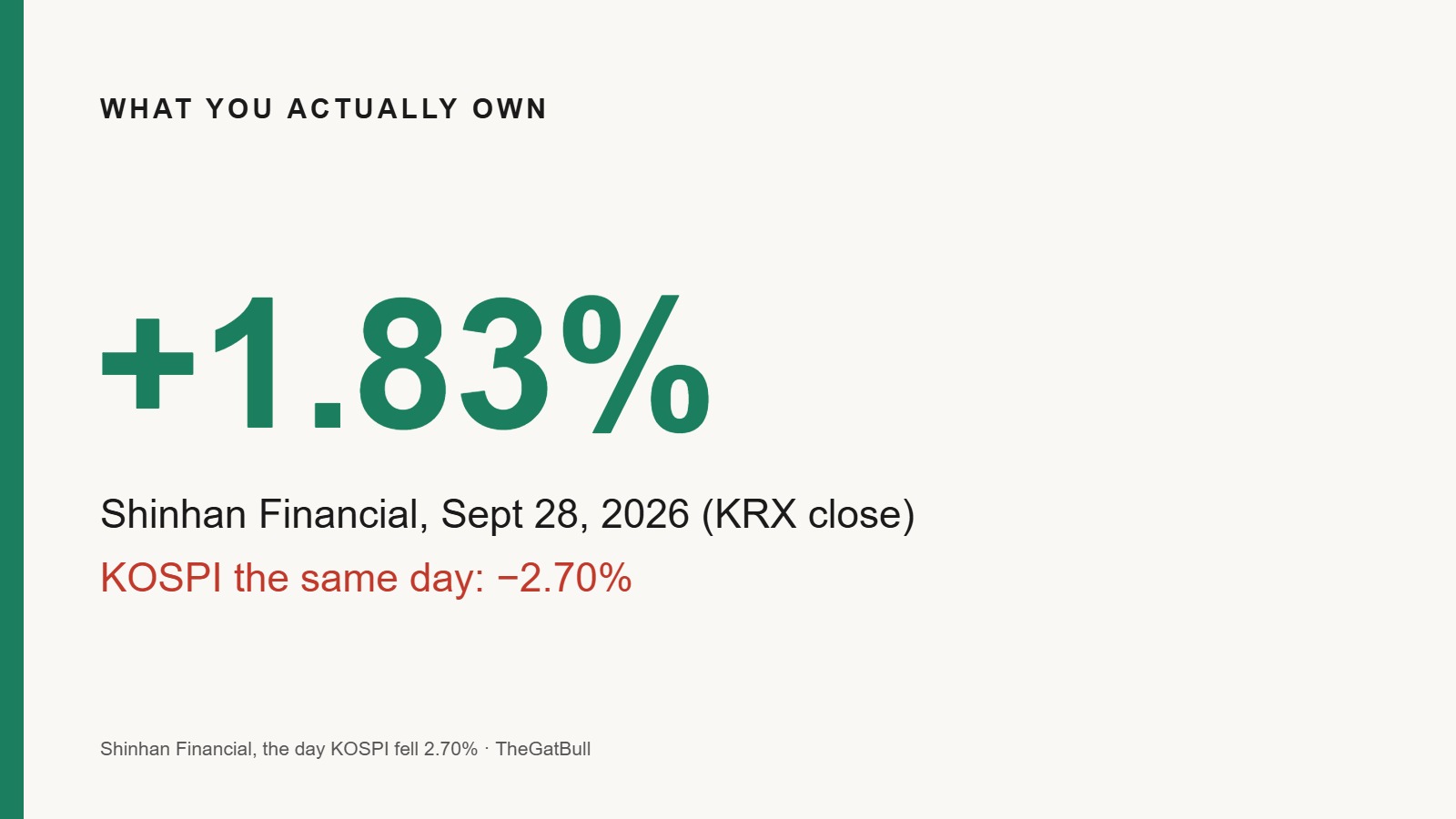
KOSPI fell 2.70% on its first day back from Chuseok as Samsung and SK Hynix slid over 5%. Shinhan Financial, a 1.56% EWY holding, rose 1.83%.
KOSPI fell 2.70% on its first day back from Chuseok as Samsung and SK Hynix slid over 5%. Shinhan Financial, a 1.56% EWY holding, rose 1.83%.
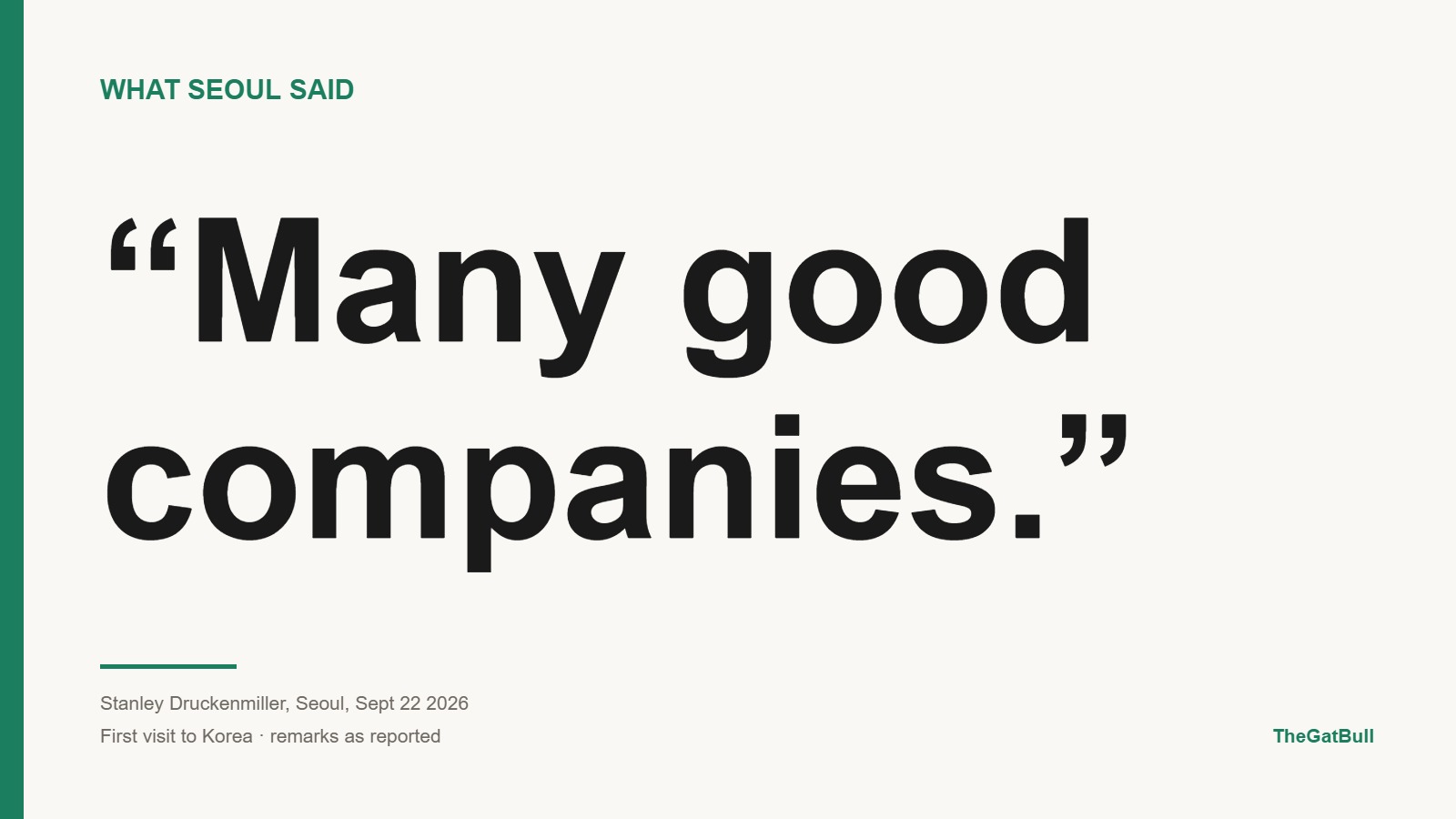
Druckenmiller visited Seoul on Sept 22 and said Korea has good companies. The Bank of Korea ran a chip-downturn scenario the same day. Then Seoul closed.
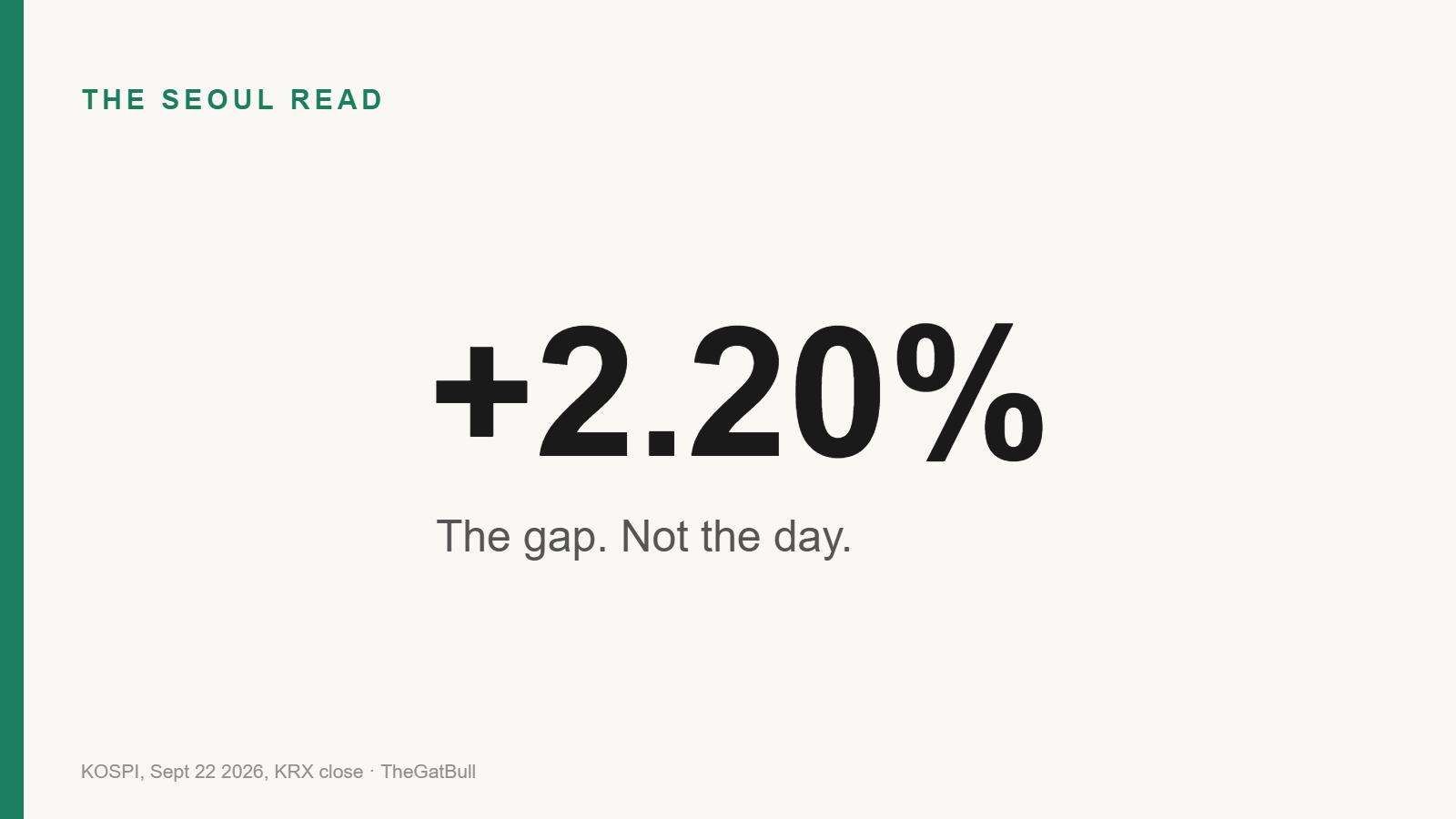
KOSPI opened +2.20% and closed +0.15% on September 22. Seoul’s own session gave back 2.01%, and the biggest giveback was SK Hynix, 24.54% of EWY.
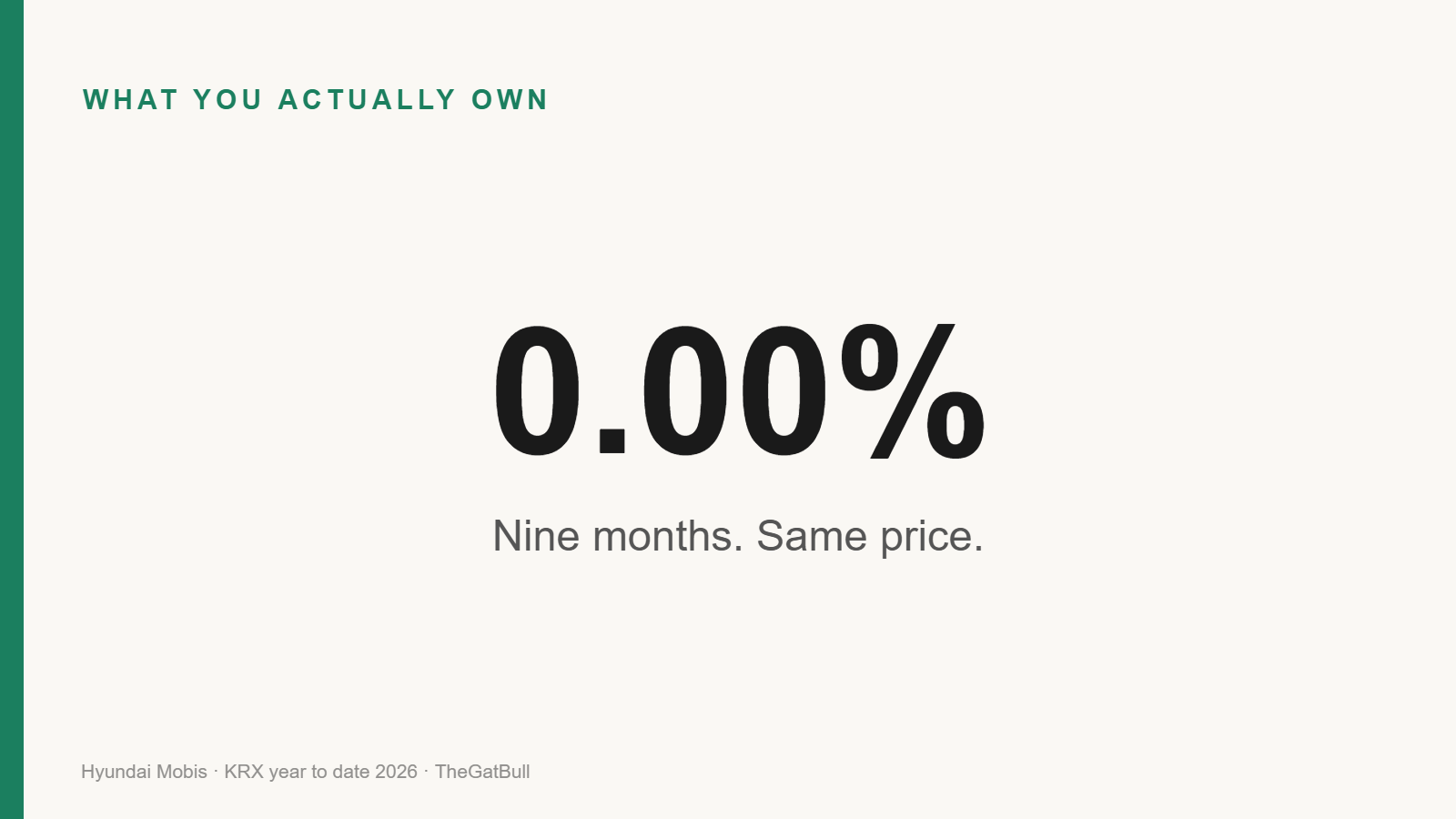
Korea’s KOSPI closed above 7,000 on September 21 while Hyundai, Kia and Mobis all fell. Here is what EWY holders actually own of Korea’s largest carmaker group.
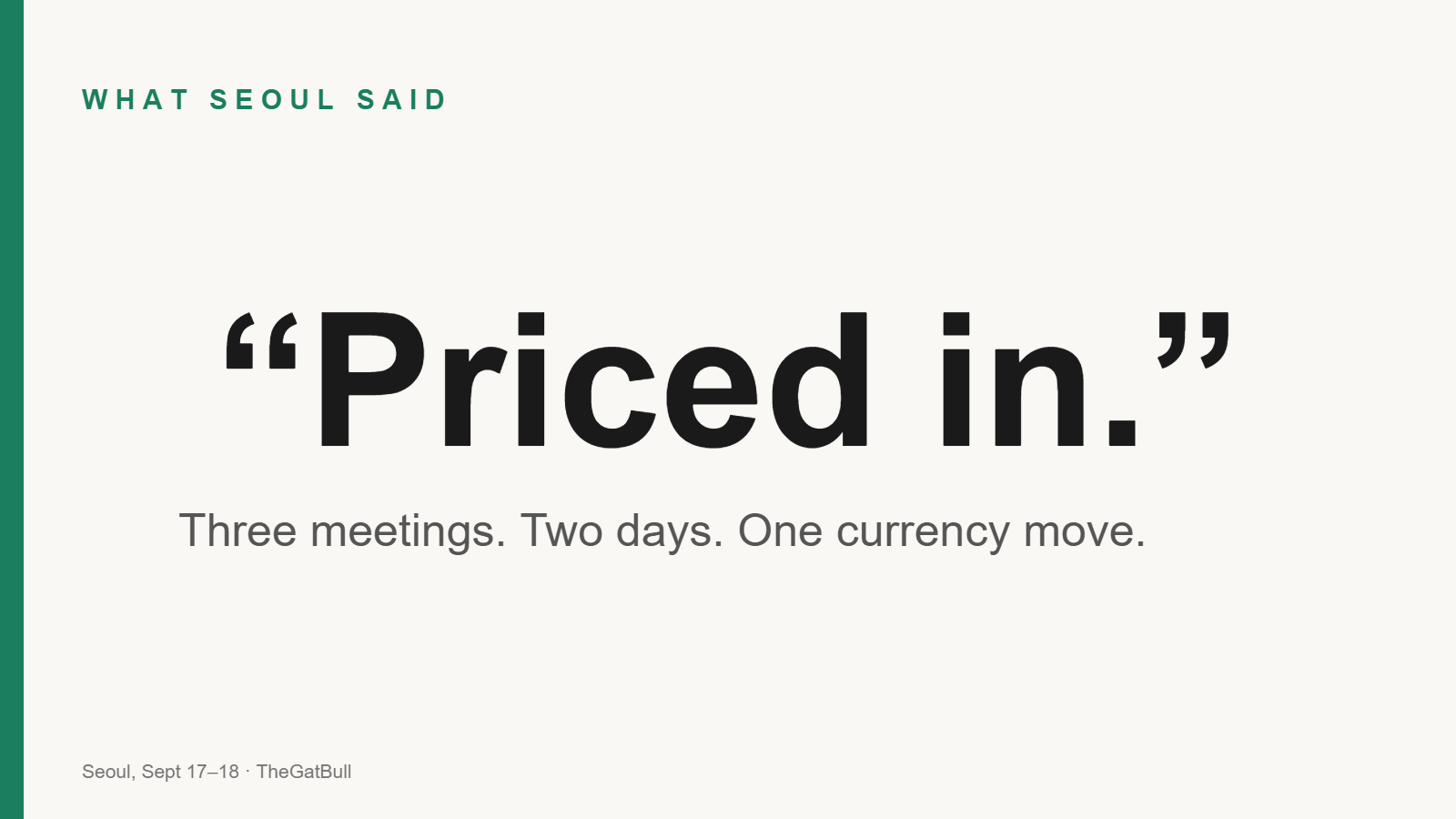
The Fed hiked. Seoul held two 8 AM meetings, then a third. The index barely moved in won, and EWY fell 3.9% in dollars. Here is what Seoul said and did not say.
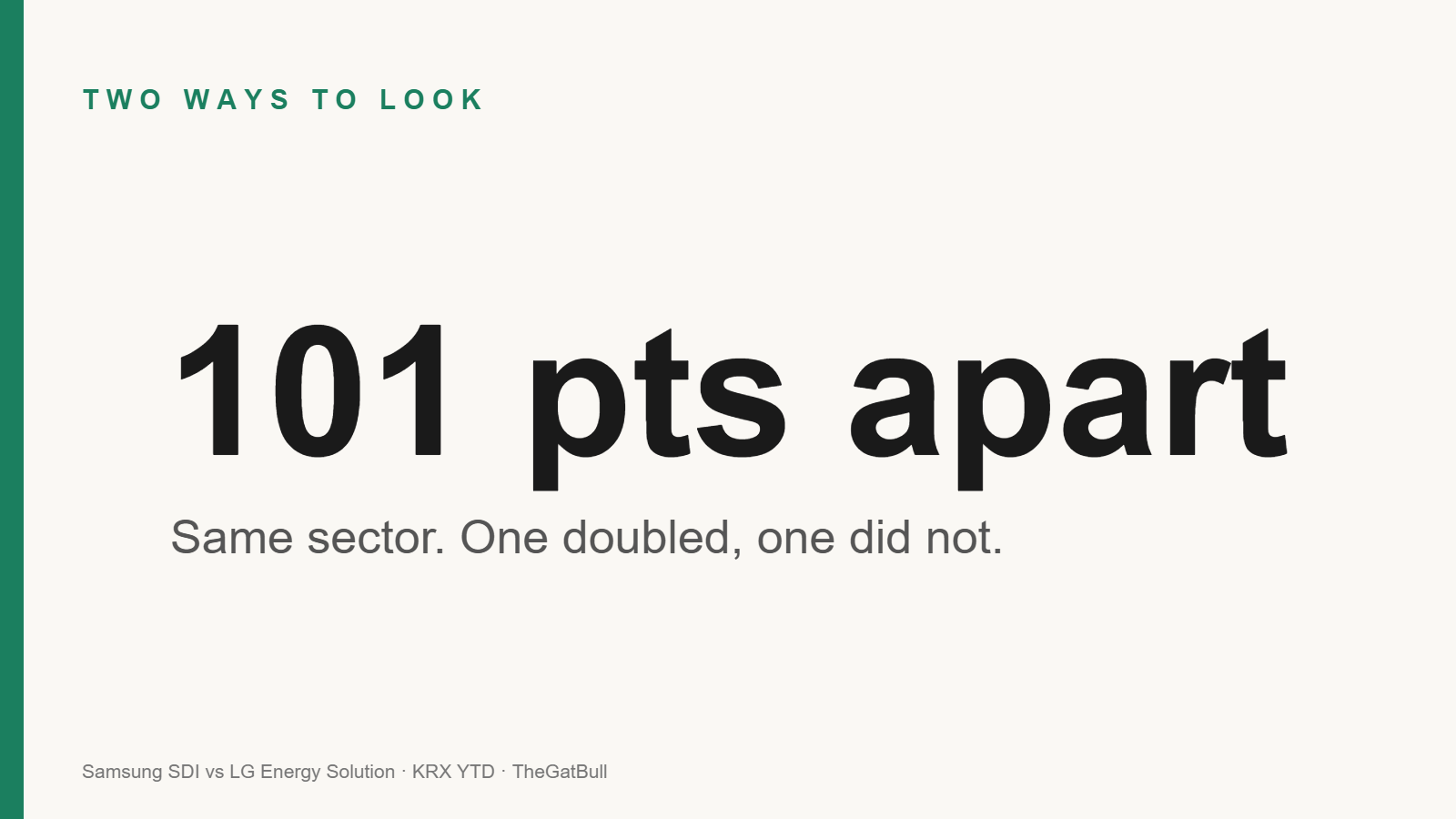
Samsung SDI doubled in 2026. LG Energy Solution barely moved. Same sector label, 102 points apart, and EWY holds both without asking you which.
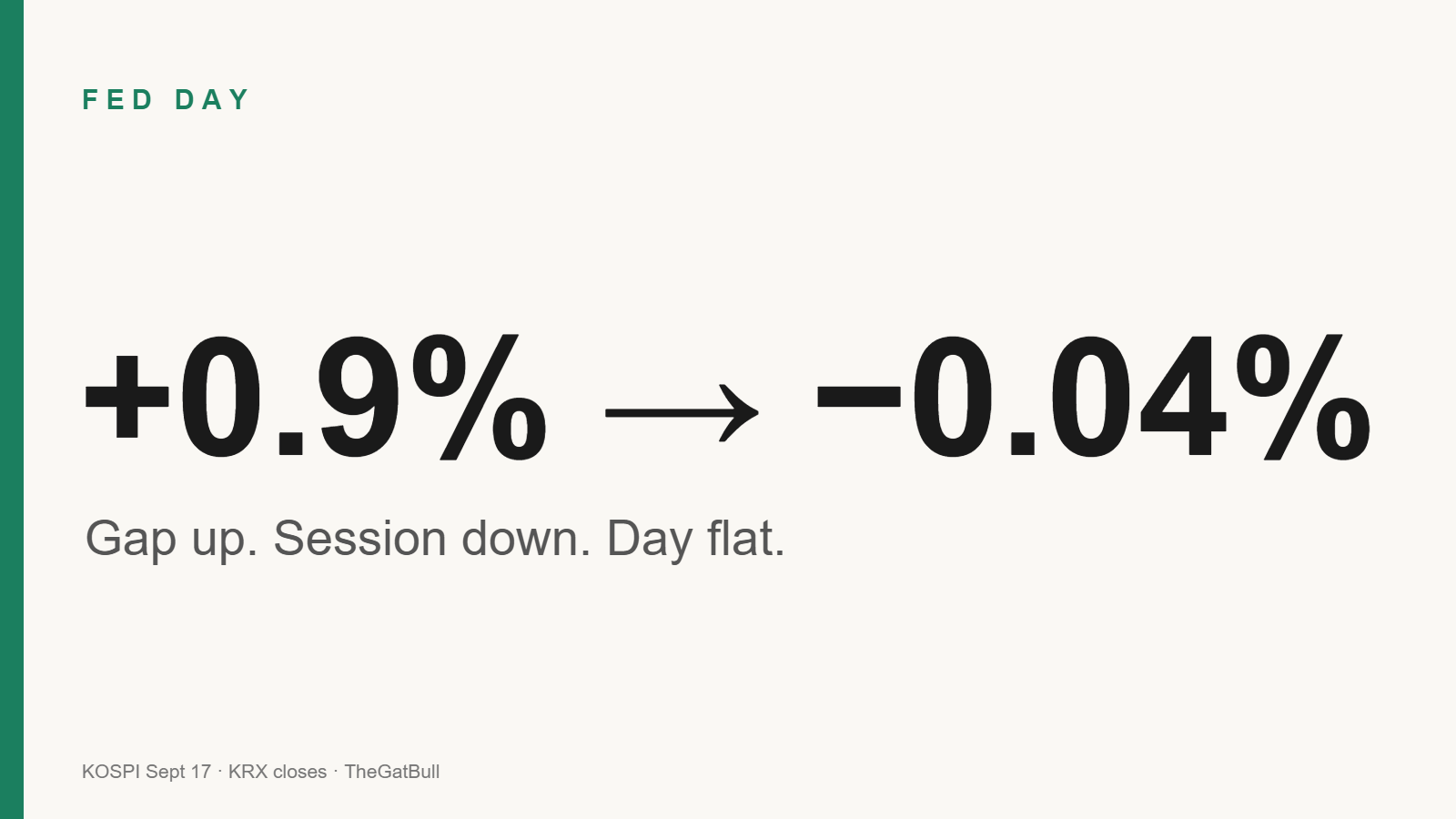
The Fed raised rates at 3 AM Seoul time. New York traded two more hours. Seoul traded the next six and a half, and spent them erasing the overnight gap.
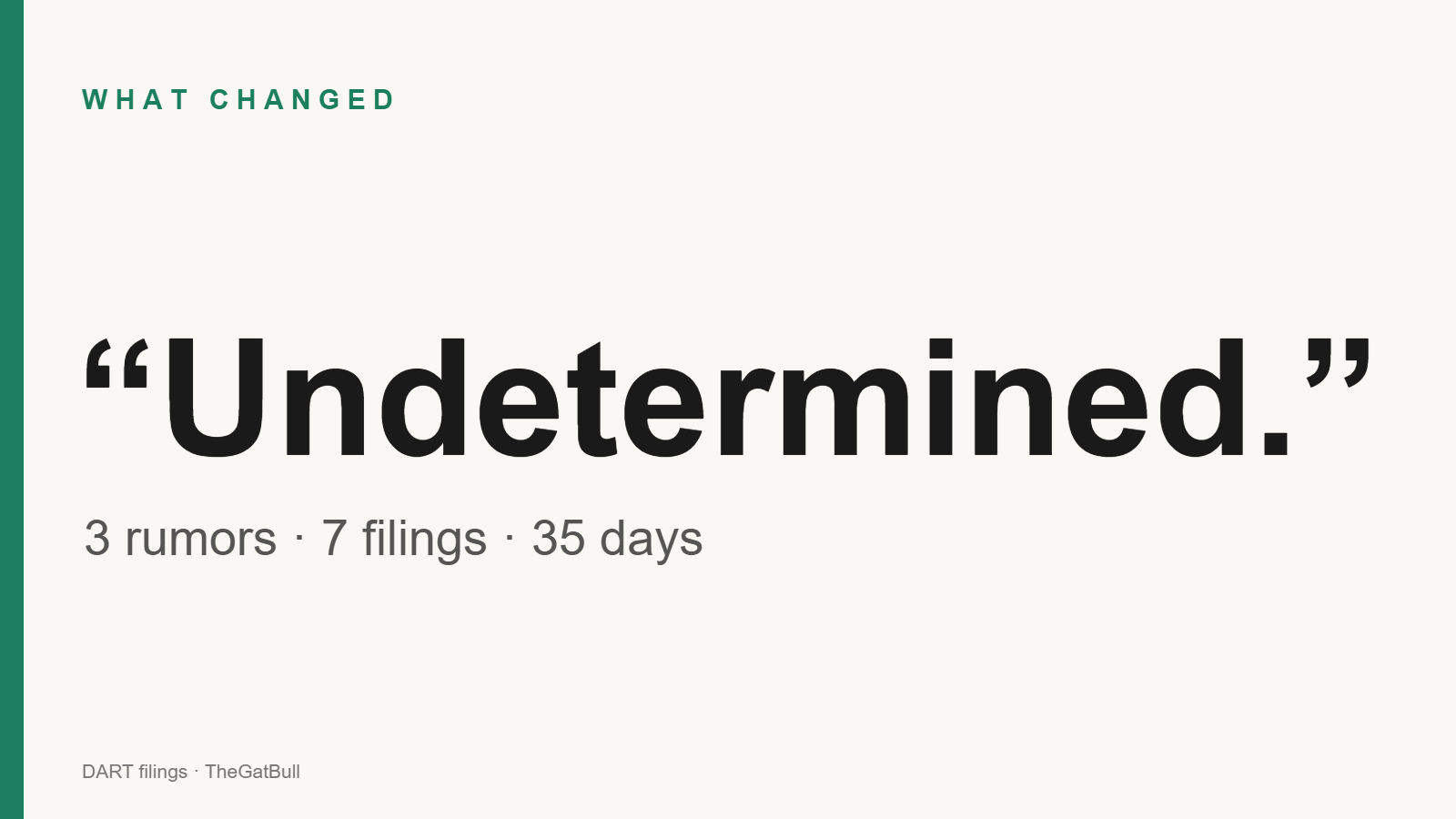
SK Hynix has three rumors on file in Korea. A Chongqing stake sale, a Japan fab, a Solidigm pre-IPO. All answers said undetermined. Each has a filing deadline.
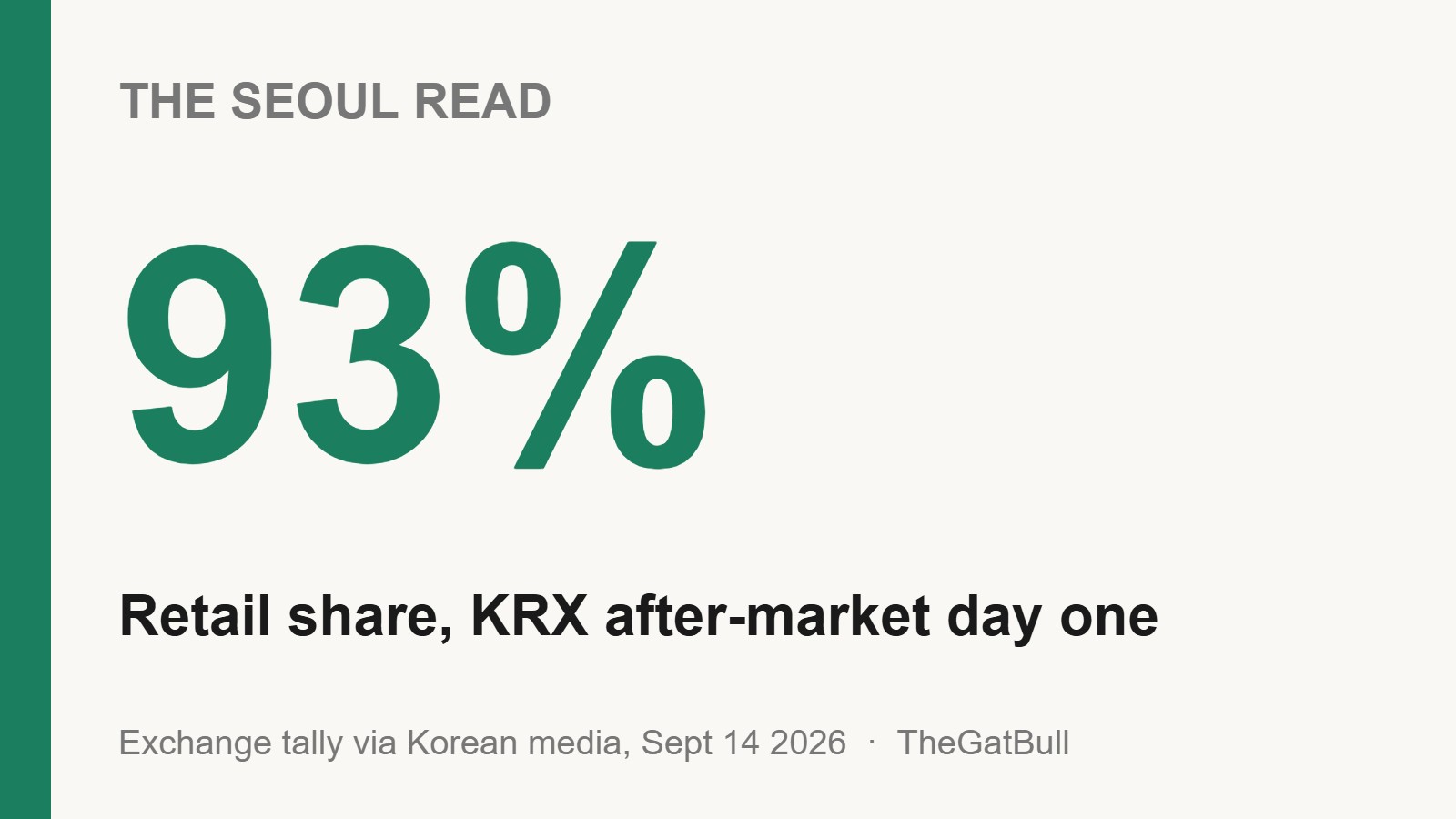
Korea’s first after-market drew 1.8 trillion won on day one, and 93% of it was retail. But the session ends at 7 AM ET, before the US bell.
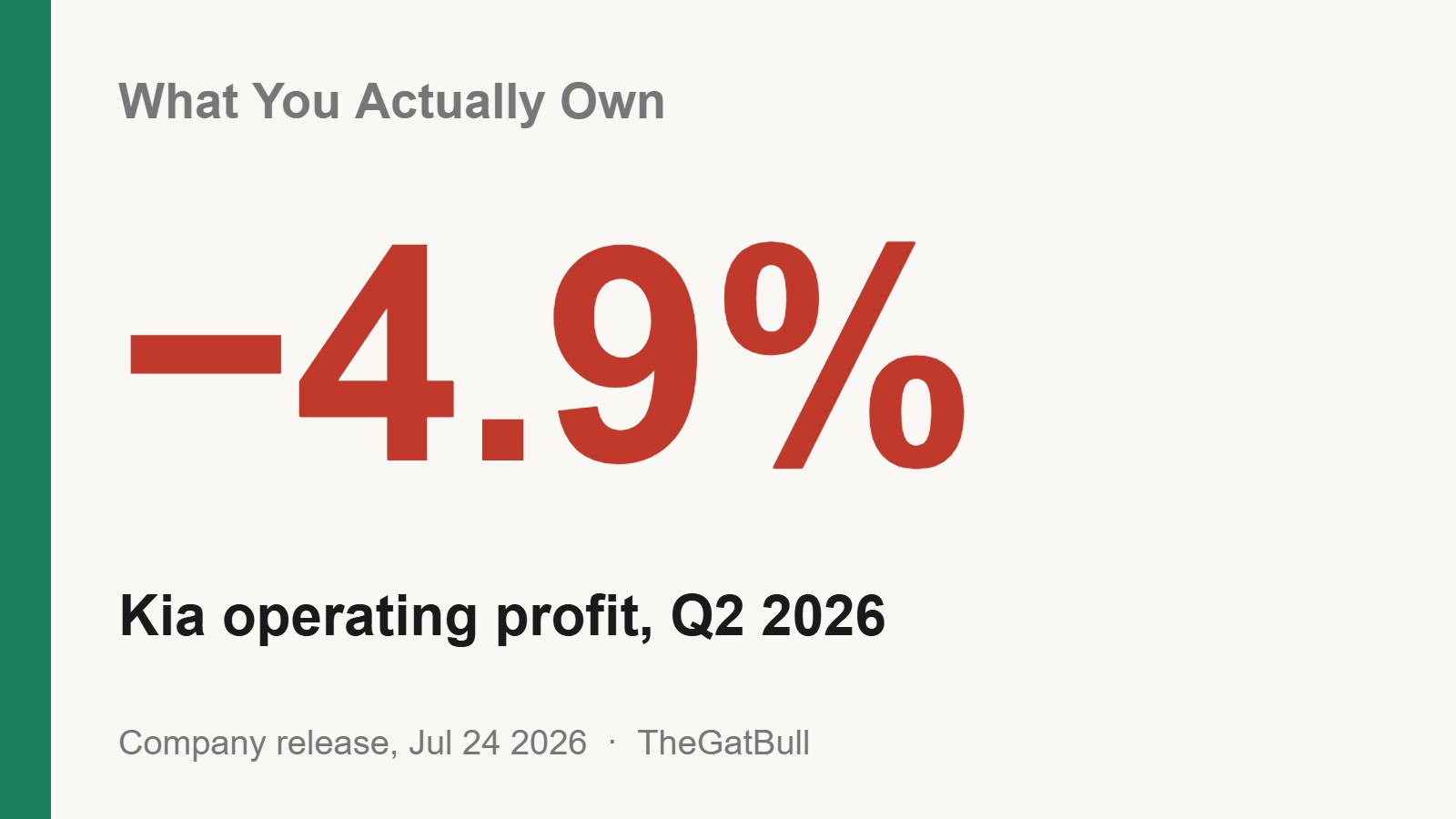
Kia posted record Q2 revenue but operating profit fell 4.9%. Tariffs took 783 billion won in H1. The stock is up 2% this year and yields 5.5%.